
Clean Energy. Responsible Development. Measurable Impact.
Home / Environment & Sustainability
At Arvand, environmental performance is considered an integral part of project development and long-term asset management.
Renewable energy projects are developed not only to generate electricity, but also to reduce the environmental burden associated with conventional power generation.
Our approach is focused on measurable environmental value, responsible resource use and long-term sustainability.
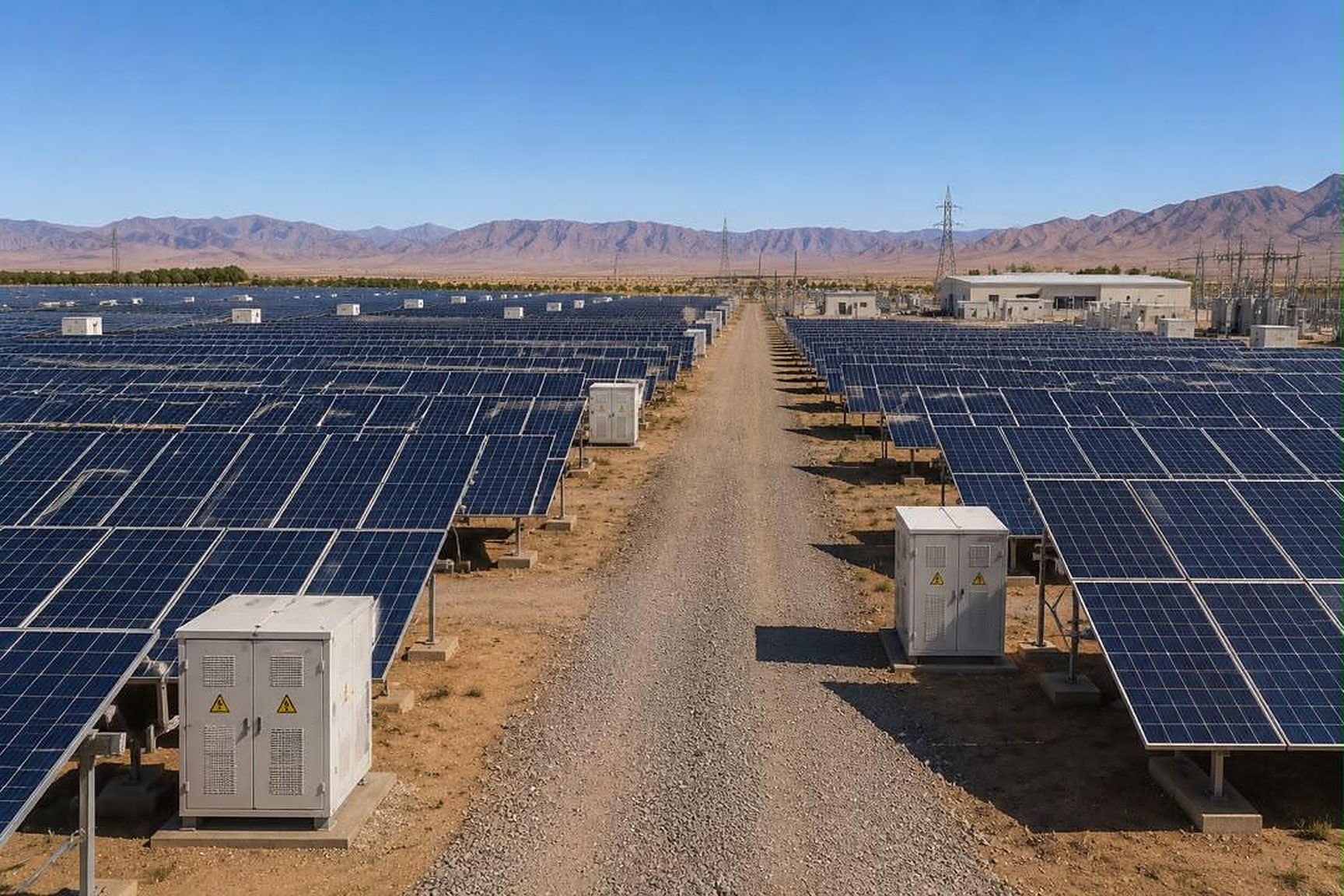
Utility-scale renewable energy projects can contribute directly to increasing the share of clean electricity in the national energy mix.
By developing large-scale solar, wind and future hybrid energy projects, Arvand aims to contribute to:
Project-specific clean energy generation figures will be published based on verified technical and energy-yield studies.
Renewable power generation can reduce the volume of greenhouse gas emissions associated with electricity produced from fossil fuels.
For each project, Arvand intends to quantify the estimated amount of avoided CO₂ emissions using recognized calculation methods and verified project-generation data.
This allows environmental performance to be expressed through measurable and transparent indicators rather than general claims.
Every unit of electricity generated from renewable sources can contribute to reducing the need for electricity generation from fossil fuels.
Depending on the generation profile and grid conditions, renewable energy projects can contribute to lower consumption of natural gas, liquid fuels and other conventional energy resources.
Arvand intends to calculate project-specific fossil fuel savings using technically defensible assumptions and national power-generation benchmarks.
Replacing a portion of conventional electricity generation with renewable energy can contribute to lower emissions of air pollutants associated with combustion-based generation.
These may include reductions in:
The scale of avoided emissions depends on the generation displaced and the operating profile of the power system.
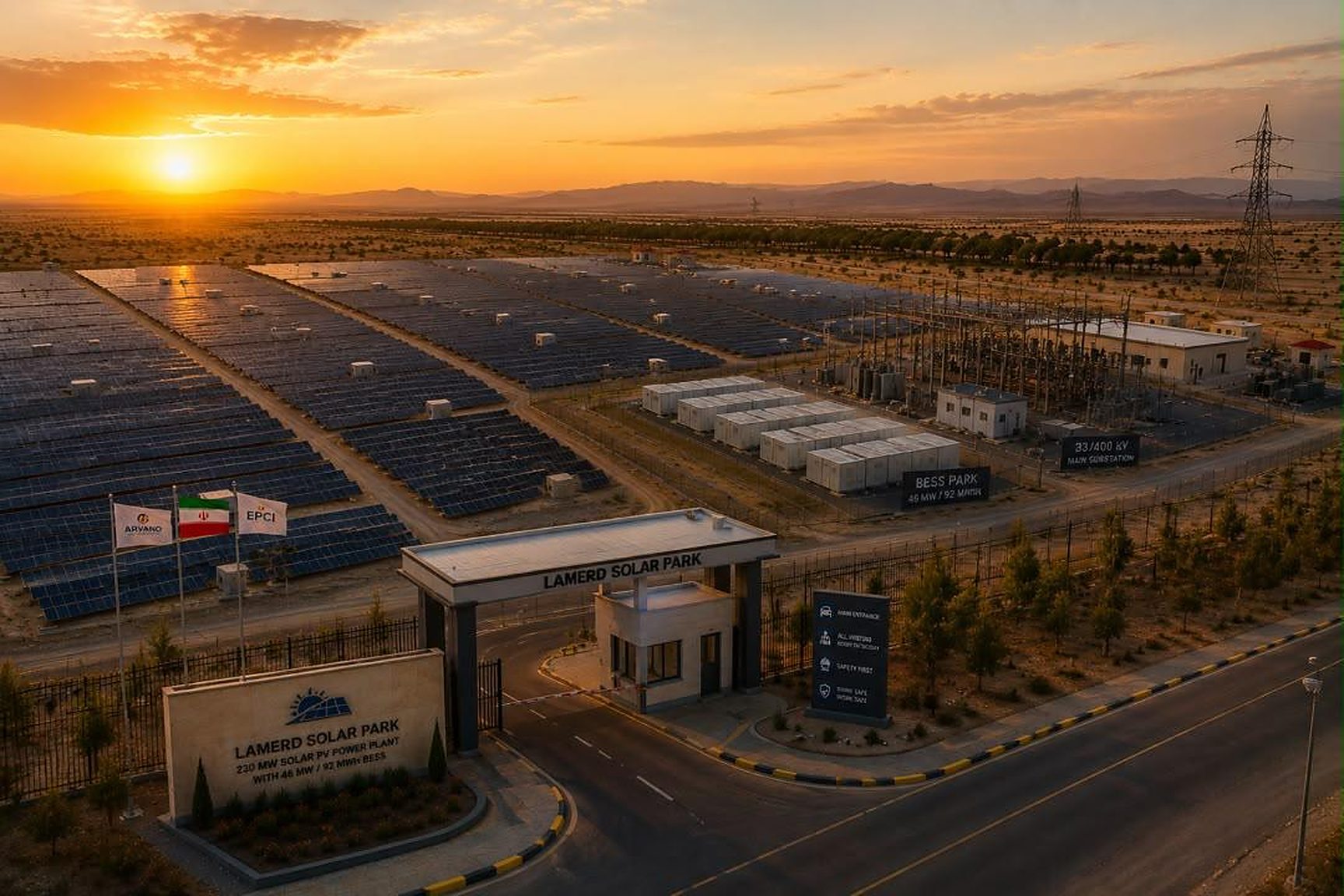
Water is an increasingly important consideration in energy infrastructure development, particularly in dry and water-stressed regions.
Solar PV and wind power generally require substantially less operational water than conventional thermal power generation.
Arvand therefore considers water efficiency an important part of project design and operation, including:
Where technically appropriate, project-level water savings may be estimated against conventional generation benchmarks.
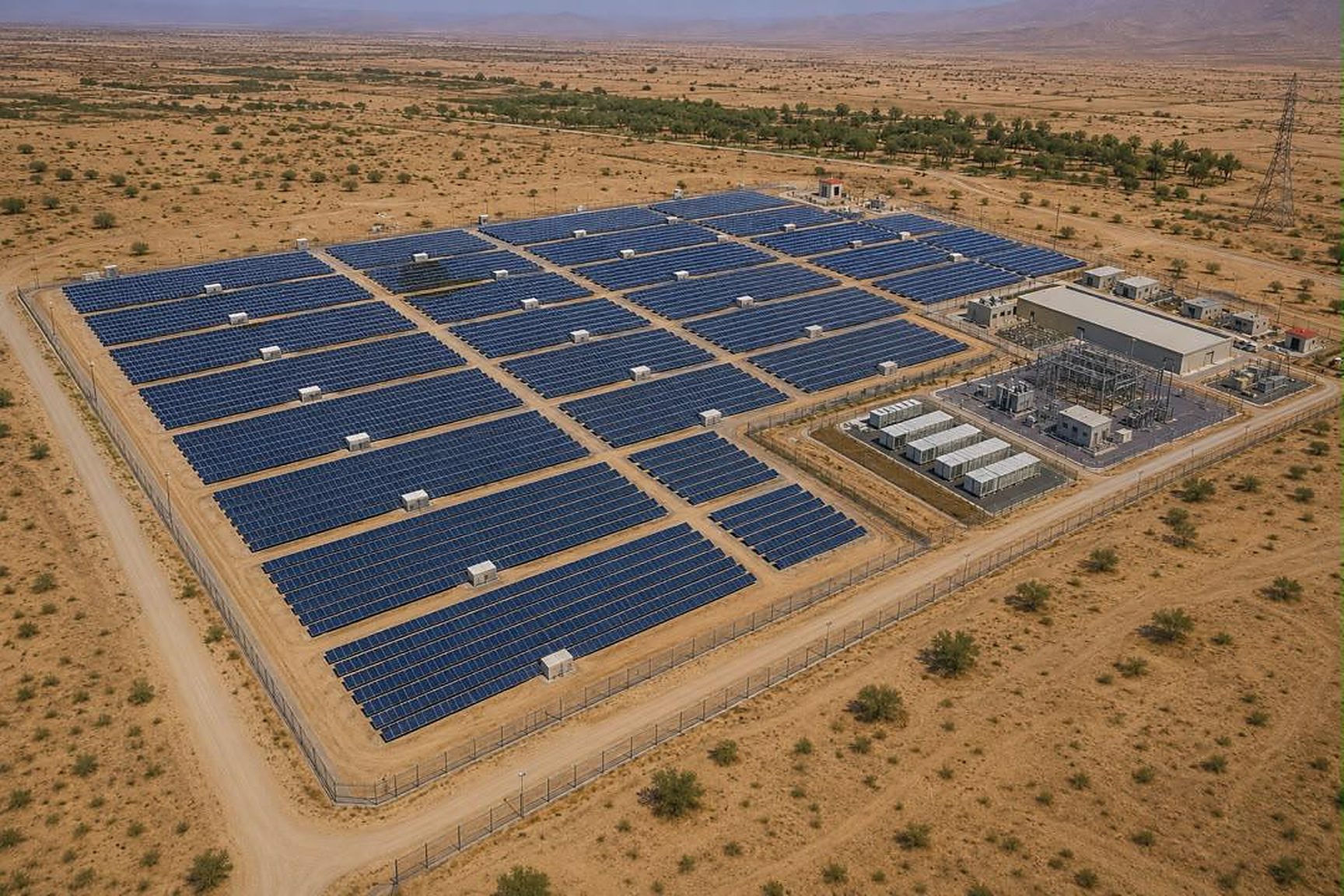
Large-scale renewable energy projects require careful land planning.
Arvand’s development approach considers:
Land development decisions are evaluated together with technical, environmental and operational requirements.
Sustainability is not limited to electricity generation.
Arvand seeks to improve resource efficiency throughout the project lifecycle through:
The objective is to reduce avoidable resource consumption while improving overall project performance.
Responsible renewable energy development also requires consideration of the full equipment lifecycle.
Arvand’s long-term approach includes attention to:
As renewable energy technologies mature, circularity will become an increasingly important part of responsible asset management.
Arvand intends to report environmental performance through project-specific indicators supported by verified technical data.
Depending on the project, these indicators may include:
For Lamerd Solar Park, these indicators will be published after finalization of the project’s validated energy-yield and environmental calculations.
Clean Energy. Responsible Development. Measurable Impact.
For project development, investment, financing, technology and strategic cooperation, get in touch with Arvand.